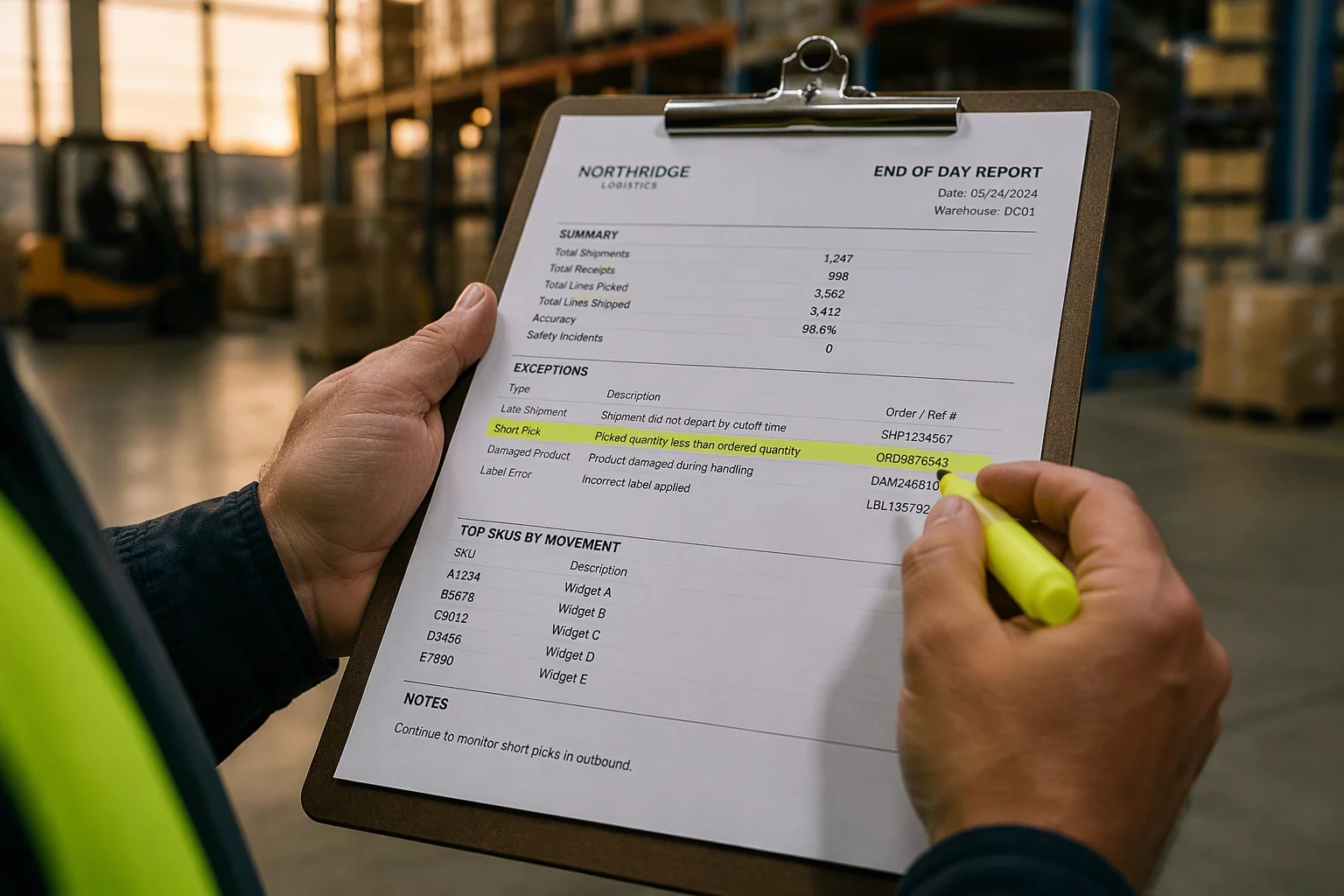
Defining the Scope of a Shipping Exception Record
Closing out an afternoon dispatch batch without isolating discrepancies creates blind spots that compound over consecutive shift cycles.
Every warehouse dispatch desk operates between two conflicting pressures: the carrier cutoff deadline and the demand for zero inventory slippage. When shipping stations process hundreds of parcels an hour, discrepancies naturally arise. A carton loses its label in the taping tunnel, a commercial invoice fails export validation, or an order gets canceled seconds after carrier tracking numbers generate.
An end-of-day exception list serves as the official boundary log between what was physically loaded onto the trailer and what remains pending inside the warehouse perimeter. Rather than treating unresolved packages as informal floor clutter, systematic log sheets give every non-cleared item an explicit operational status.
Essential Discrepancies Requiring Line-Item Entry
Every record on the exception sheet must contain actionable identifiers, including original tracking numbers, sales order references, physical staging bays, and clear root-cause classifications:
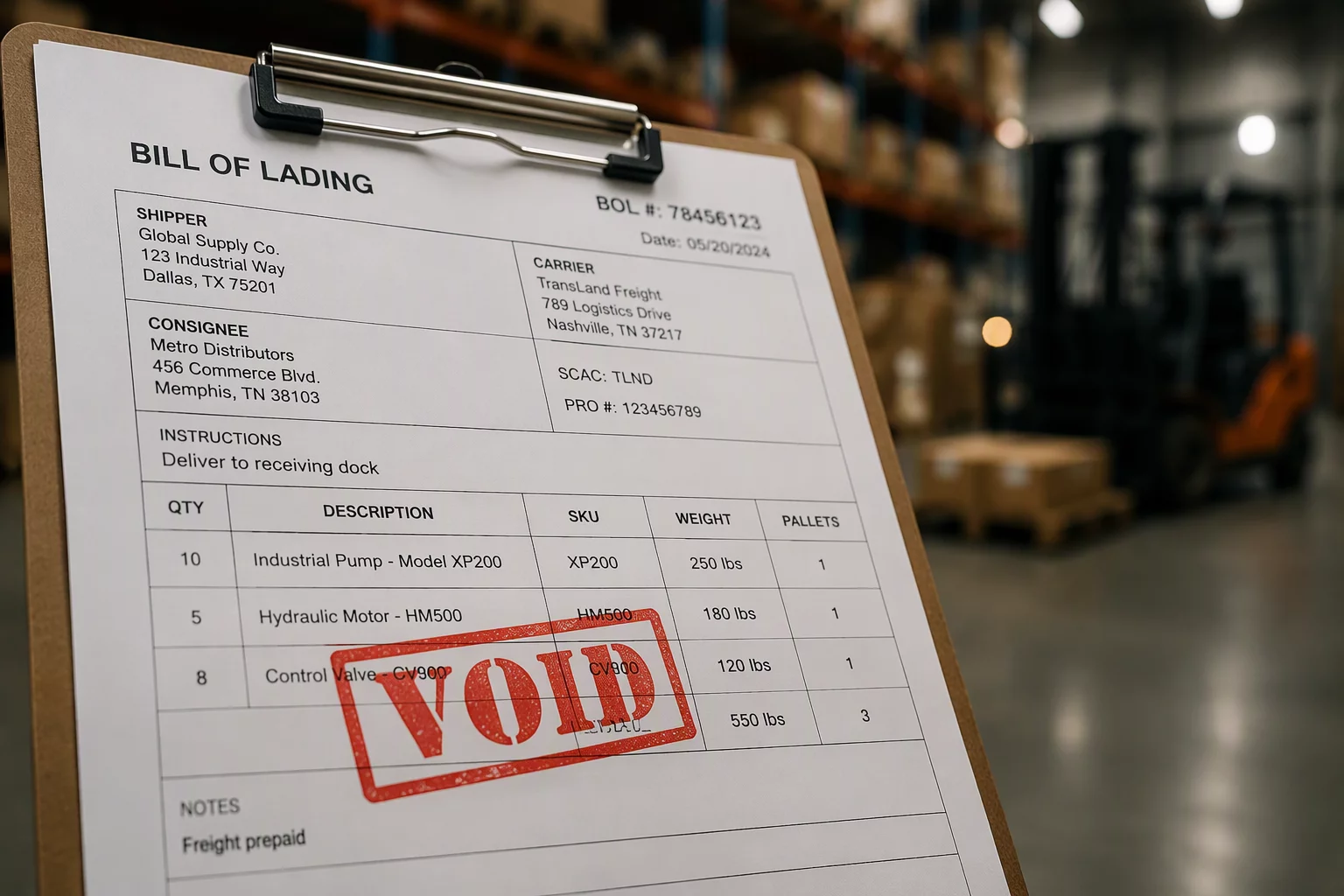
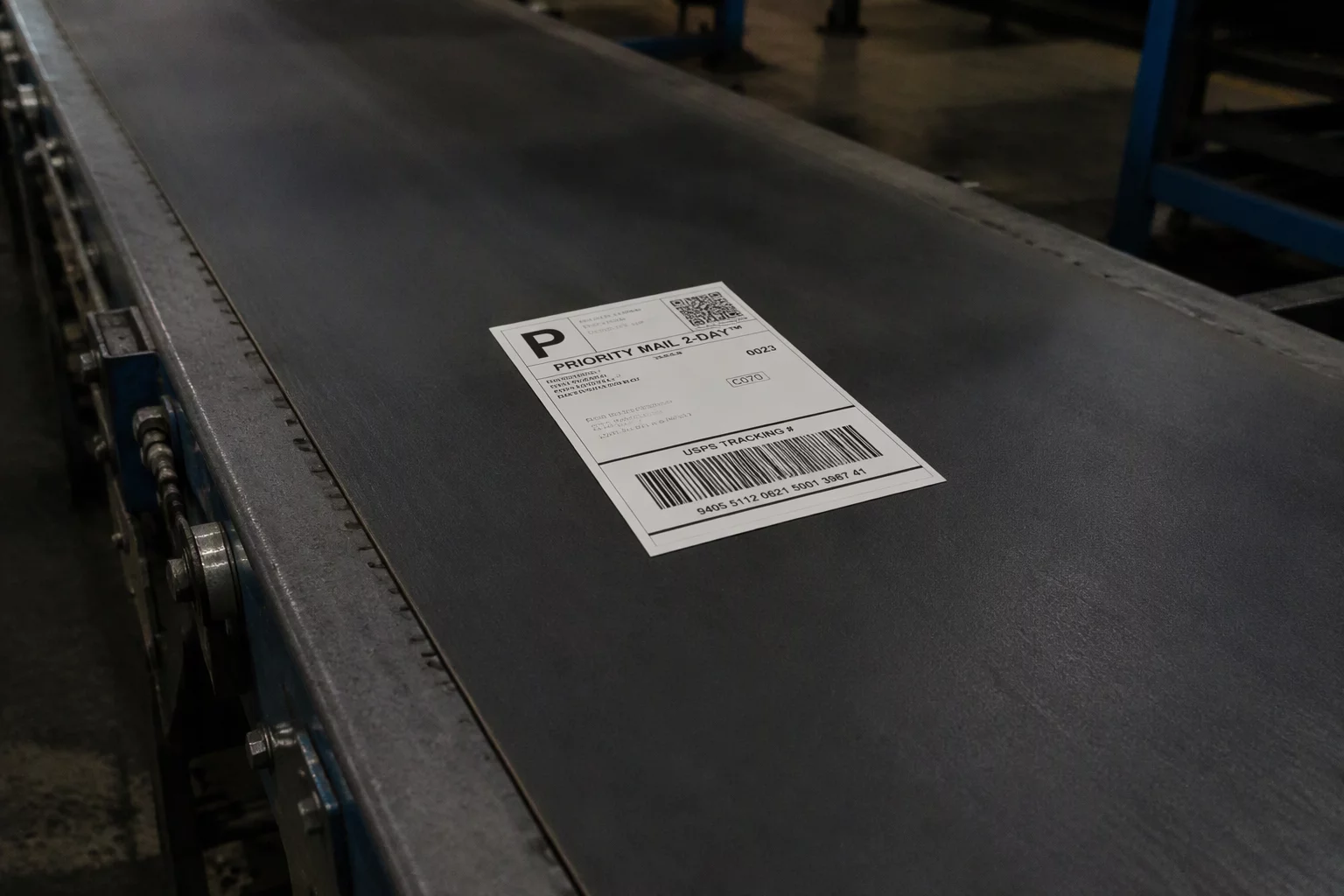
- Voided and Canceled Labels: Tracking numbers generated inside shipping software that were voided prior to trailer loading, ensuring carrier billing manifests remain accurate without phantom charges.
- Physical Holds and Missing Paperwork: Shipments staged in packing bays missing dangerous goods declarations, international customs documentation, or weight discrepancy overrides.
- Damaged Packaging Requiring Repack: Cartons crushed or unsealed during staging that cannot enter carrier custody without inspection and label replacement.
When these records are cataloged before the driver signs the pickup log, warehouse supervisors avoid tedious morning reconciliations and billing disputes with parcel carriers.
Structuring the Handover for the Incoming Shift
An exception list loses its utility if it sits isolated on a single terminal. The verified log must be shared directly with receiving desks, inventory controllers, and the incoming dispatch supervisor during the formal shift changeover.
Documenting physical parcel staging locations alongside digital software holds ensures second-shift teams do not re-manifest already billed packages or search loading docks for cartons safely sequestered in the quality control zone.

Shift Comments & Notes
Separating customs holds from damaged freight on the end-of-day sheet saved our second shift over 45 minutes during evening carrier cutoff yesterday.
Leave a Shift Operational Note