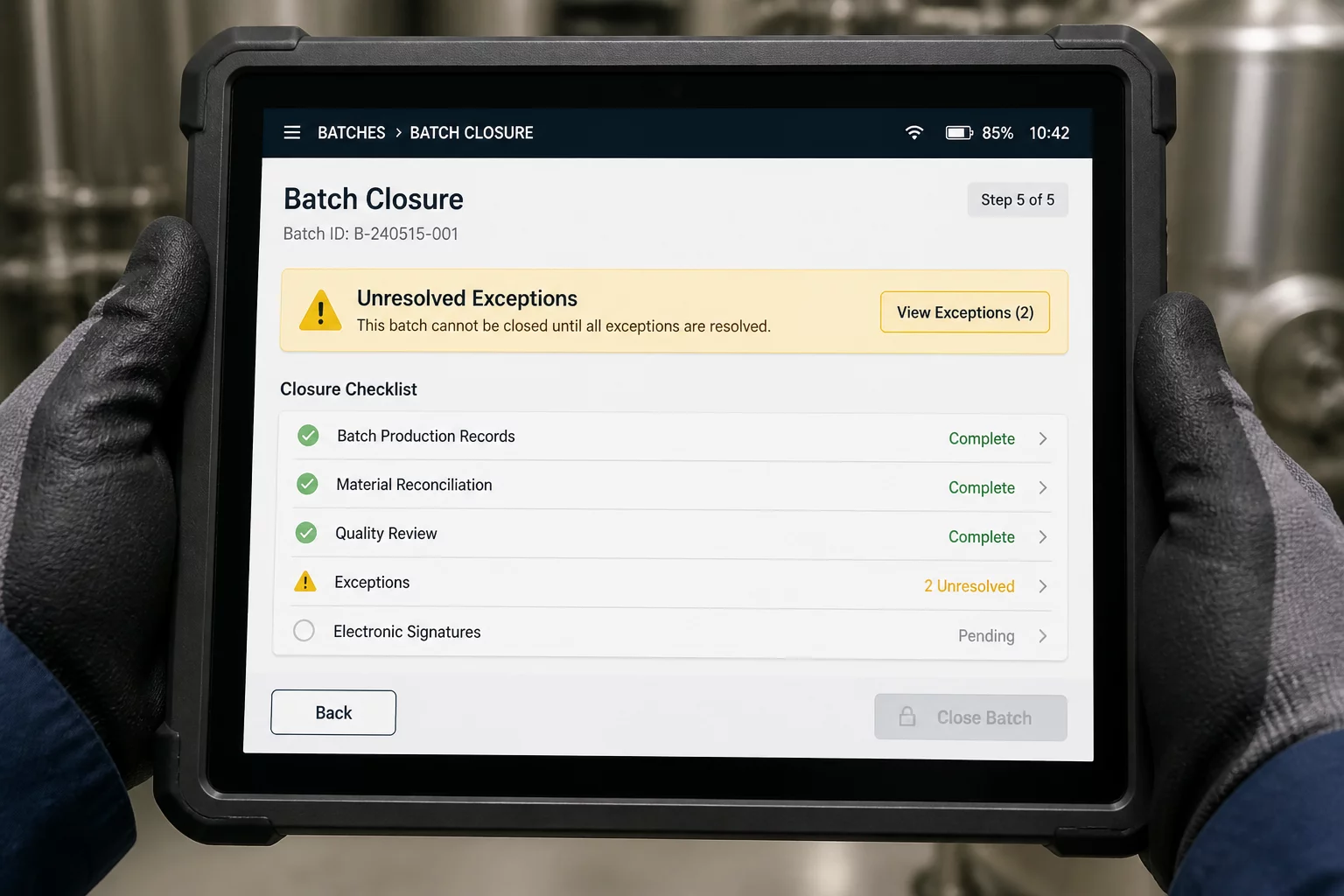
The Operational Cost of Forcing a Clean Batch
End-of-day cutoff pressure frequently pushes dispatch leads into an artificial zero-exception compromise: voiding active records, deleting unverified labels, or marking pending orders as complete simply to clear the transmission screen.
When a warehouse software system demands that every queue be empty before triggering carrier manifest communication, dispatchers naturally seek the fastest route to compliance. However, deleting or masking items with unresolved weights, address verification errors, or physical hold statuses severs the chain of custody. The physical box remains stranded on a packing table while the digital system falsely reports the entire lot dispatched.
A disciplined dispatch ledger decouples the carrier transmission batch from the internal work-in-progress queue. Instead of forcing discrepancies out of existence, transparent workflows bundle confirmed freight into the carrier manifest while carrying unresolved shipment rows into a visible rollover queue.
Core Protocols for Transparent Cutoff Handling
Maintaining clear operational integrity requires strict segregation between physical tender confirmation and paperwork completion. Dispatch desks achieve this by applying three foundational audit controls:
- Transmit carrier end-of-day electronic manifests exclusively for cartons physically loaded onto the freight trailer, never for staged-only or pre-printed freight.
- Transfer unmatched shipping labels and address hold packages directly to a timestamped overnight rollover log with documented technician notes.
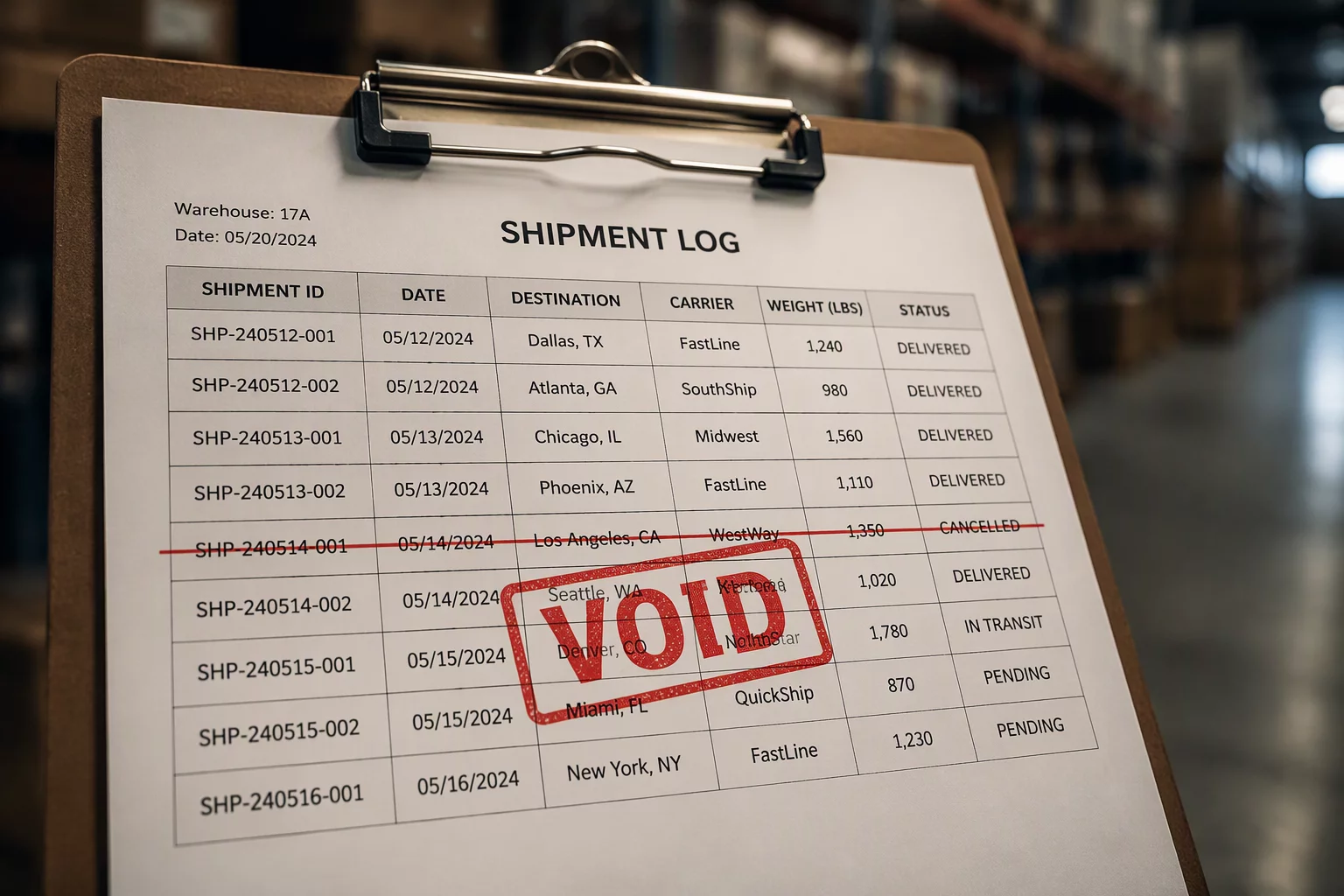
- Tag voided tracking numbers with distinct reason codes rather than deleting their audit lines from the shift close summary.
These steps guarantee that incoming leads, accounting personnel, and inventory analysts immediately understand which cartons left the loading bay and which remain under station custody awaiting morning resolution.
Unbroken Continuity Across Operating Shifts
When second-shift leads inherit a close sheet, they should not encounter a sterile report that hides afternoon snags. An effective handoff ledger highlights open inquiries, replacement tracking numbers, and parcels undergoing repacking.
Transforming exceptions from hidden liabilities into structured operational handoffs eliminates morning investigative delays, prevents unauthorized duplicate billings, and ensures customer care representatives give buyers accurate fulfillment updates.


Shift Comments & Notes
Leave a Shift Operational Note