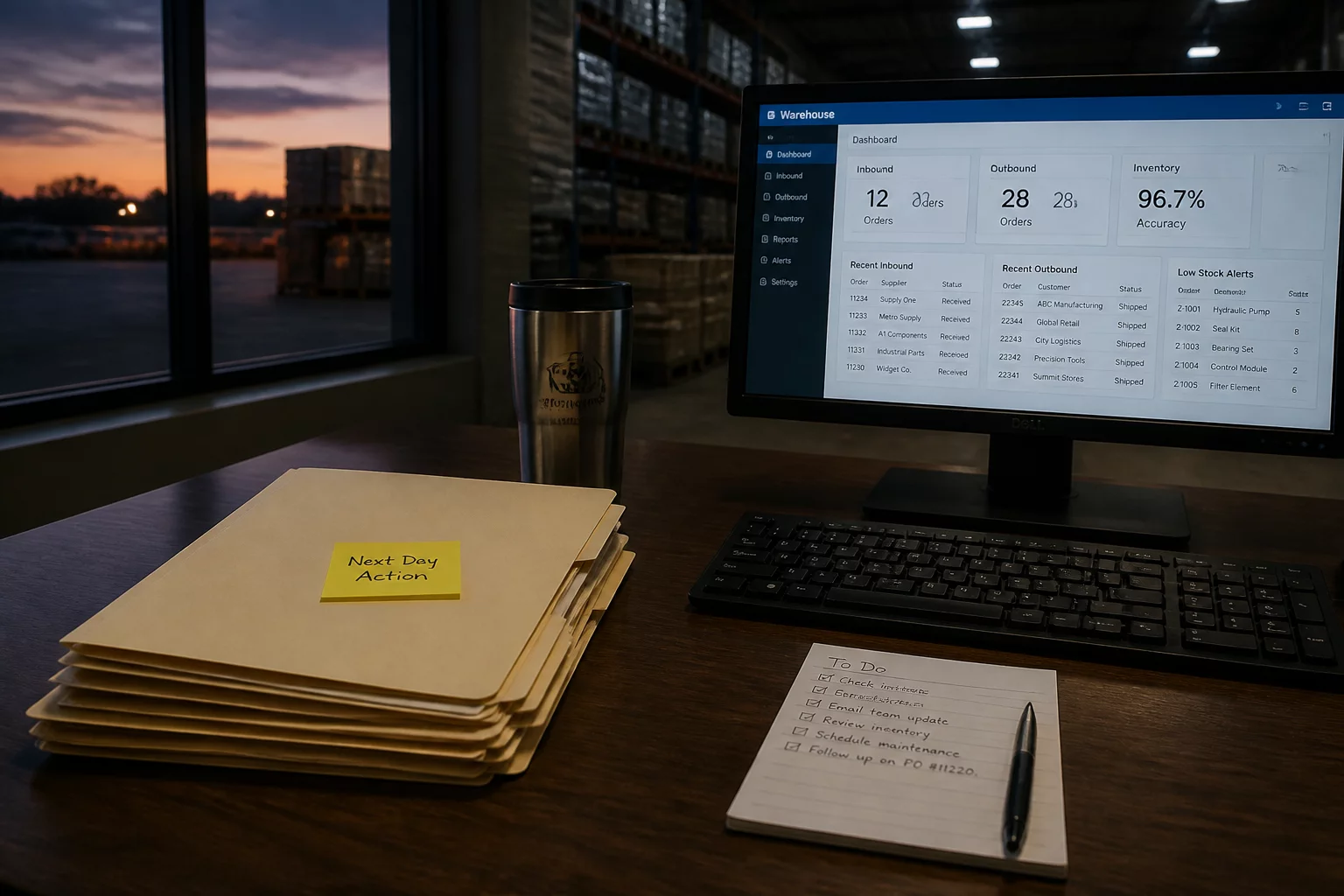
Distinguishing Closed Exceptions from Active Rollover Items
When the carrier driver signs the final end-of-day summary and departs, dock operations often face a lingering question: which stalled records genuinely belong to tomorrow morning, and which represent closed terminal errors?
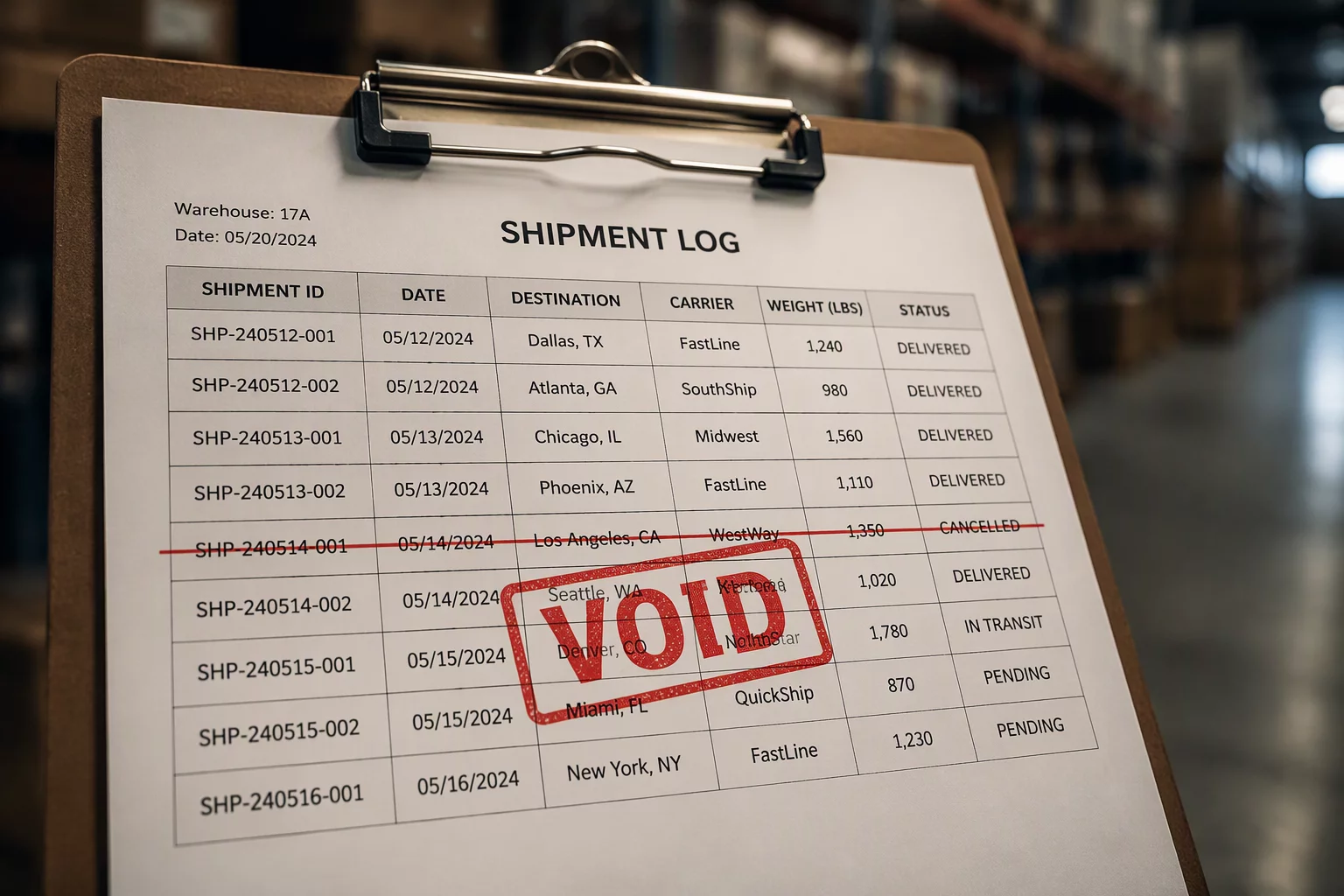
An unfulfilled label printed at 4:30 PM because of missing packing slips cannot merely sit invisibly on the workstation counter. When a shipment remains inside the primary dispatch stream without clear categorization, automated ERP synchronizations assume physical movement occurred, creating ghost in-transit states that distort inventory records across corporate channels.
Proper reconciliation demands dividing open items into two distinct categories: cancelled actions that require permanent voiding before daily batch close, and legitimate deferred handoffs that must carry active tracking into the next calendar ledger.
The Five Critical Criteria for Next-Day Dispatch Rollover
Before releasing a staging area for the night, team leads evaluate each physical package and its digital record against established operational criteria:
- Physical Item In Dock Hold: The merchandise is physically secured in the designated quarantine zone with an attached exception traveler tag.
- Pending Carrier Re-scan: Shipments that arrived after carrier trailer latching but already contain valid pre-manifest data.
- Address Correction Hold: Shipments requiring customer address or customs documentation amendments prior to morning manifest generation.
Leaving these items in limbo without formal rollover tags invariably causes morning staff to duplicate labels or misplace freight during initial shift sorting.
Establishing the Morning Verification Handoff Ledger
A seamless transition starts with the closing supervisor logging each deferred parcel onto the Next-Day Carry Sheet. This document explicitly records the package tracking identifier, the specific hold reason, the physical dock bin coordinate, and the initial handler name.
When the morning shift clocks in at 06:00, their first operational duty is confirming physical custody against this exact sheet before initiating new pick waves. By systematically closing yesterday's open loops, dispatch desks preserve audit integrity and eliminate carrier discrepancy claims.


Shift Comments & Notes
Shift handover protocol confirmed for Sector 4. All telemetry logs reconciled with zero active anomalies. Ready for nocturnal watch takeover.
Leave a Shift Operational Note